 Ujjwal Sharma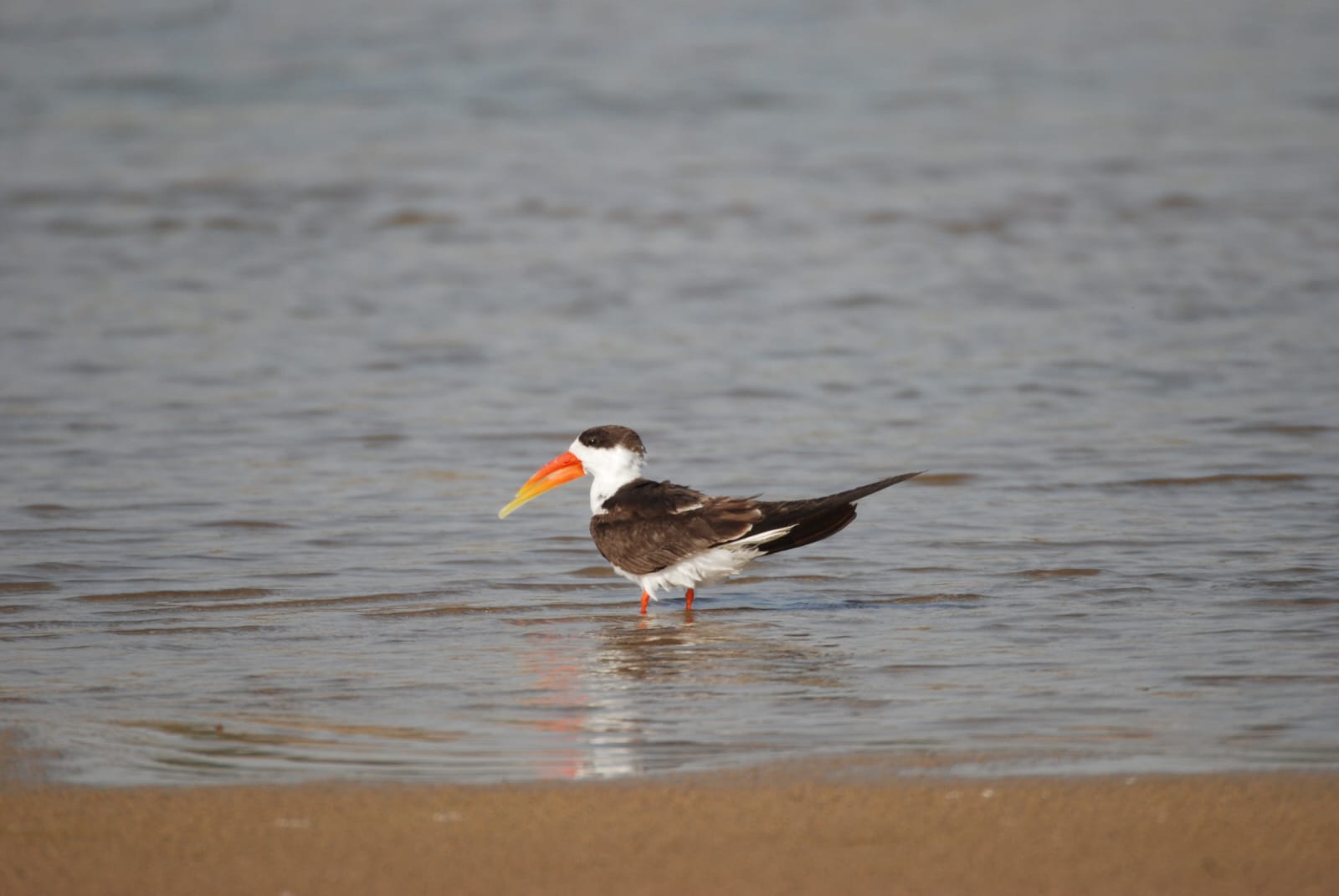
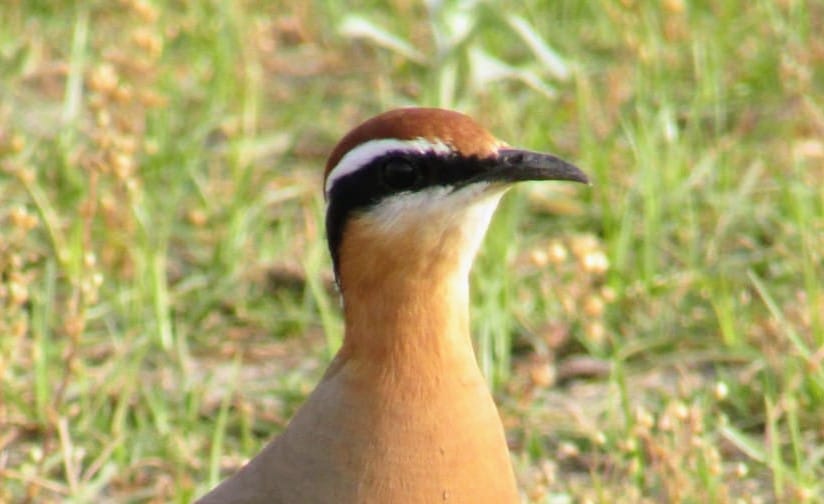
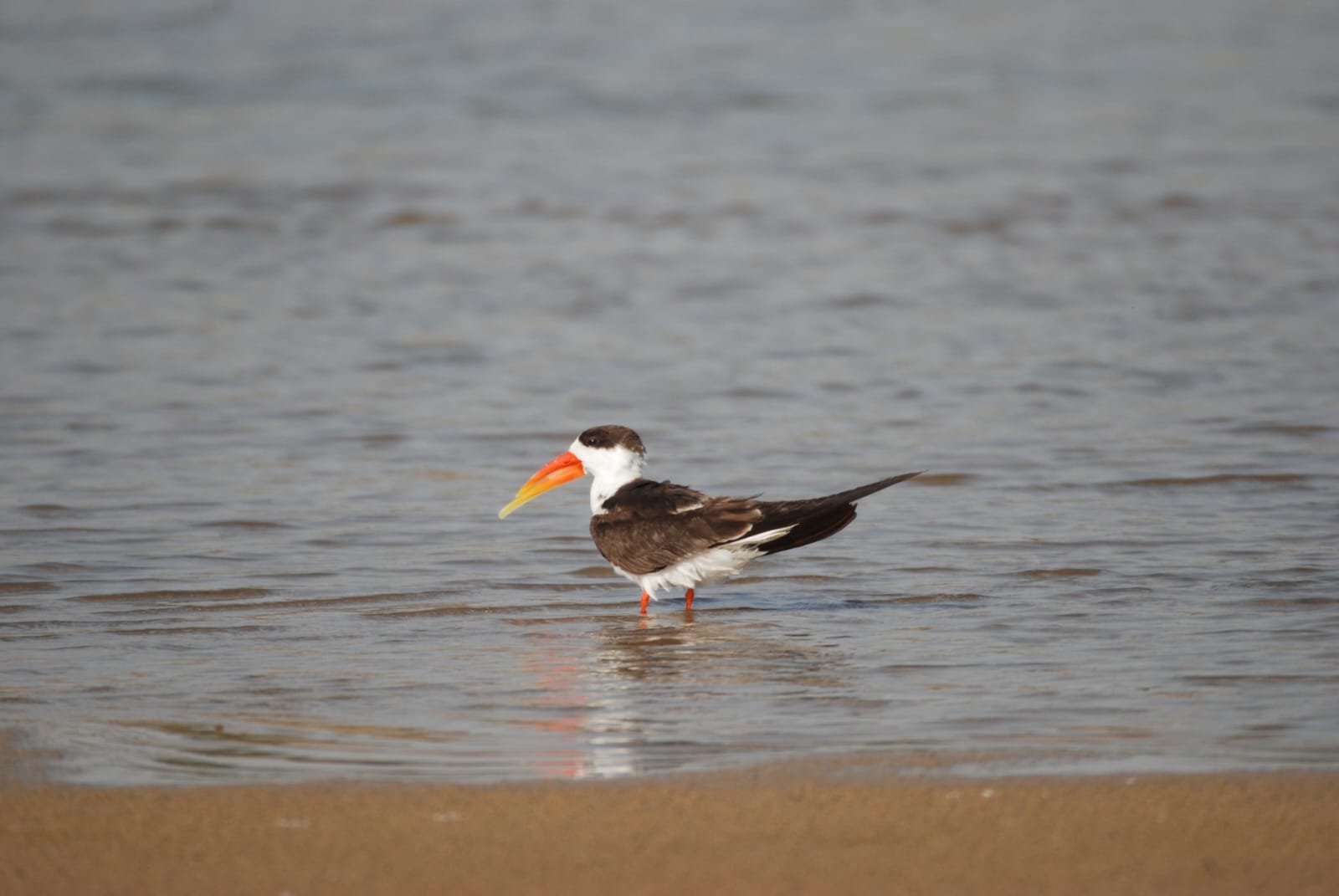
Chambal River is one of India’s cleanest and most untouched rivers. Known for its dramatic ravines and rare wildlife like the Indian Skimmer, Gharial, and Gangetic Dolphin, it has become a paradise for bird watchers and wildlife photographers.
The Chambal River is a 960–1,024 km long perennial river in Central India, rising from the Vindhya Range (Mhow, MP) and flowing north-northeast through Madhya Pradesh, Rajasthan, and Uttar Pradesh to join the Yamuna. Known for its pristine water, it supports significant biodiversity, including the endangered Gharial, Gangetic dolphins, and turtle species within the National Chambal Sanctuary.
 Wikipedia +3
Key Facts about the Chambal River:
- Origin: Janapav Hills, Mhow, near Indore, Madhya Pradesh.
- Course: Flows through MP, Rajasthan, and Uttar Pradesh.
- Confluence: Joins the Yamuna River in the Etawah district of Uttar Pradesh.
- Tributaries: Key tributaries include the Banas, Mej, Parbati, Kali Sindh, and Shipra.
- Major Dams: Gandhi Sagar Dam, Rana Pratap Sagar Dam, Jawahar Sagar Dam, and Kota Barrage.
- Significance: It is considered one of the cleaner rivers of India, though it faces threats from illegal sand mining.